Trump Imposes Double-Digit Tariffs on 60 Countries Over Forced Labor Concerns
07/26/2026 / By Sterling Ashworth
New Tariffs Announced Under Section 301
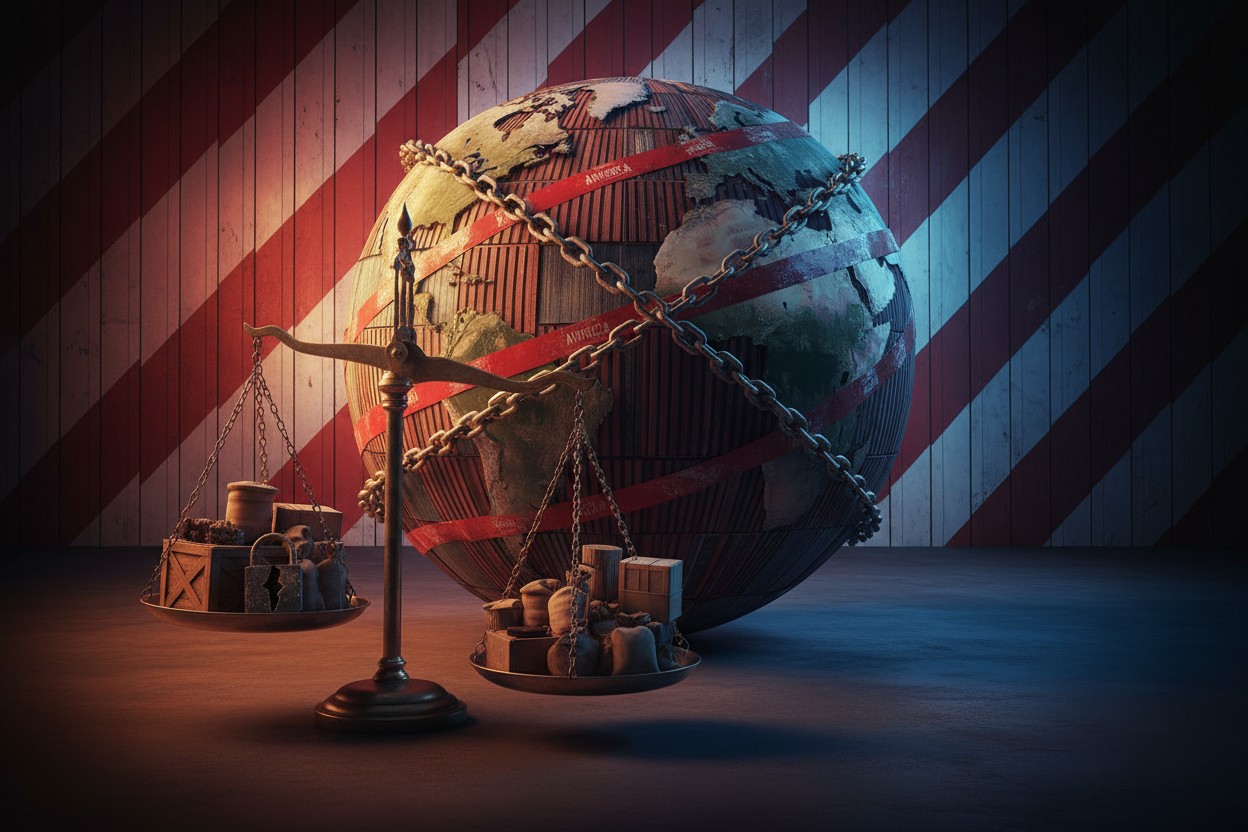
President Donald Trump is set to impose double-digit tariffs on imports from 60 countries due to their failure to prevent forced labor from entering global supply chains, U.S. Trade Representative Jamieson Greer announced Thursday, July 23 – according to a report from the BBC. [1]
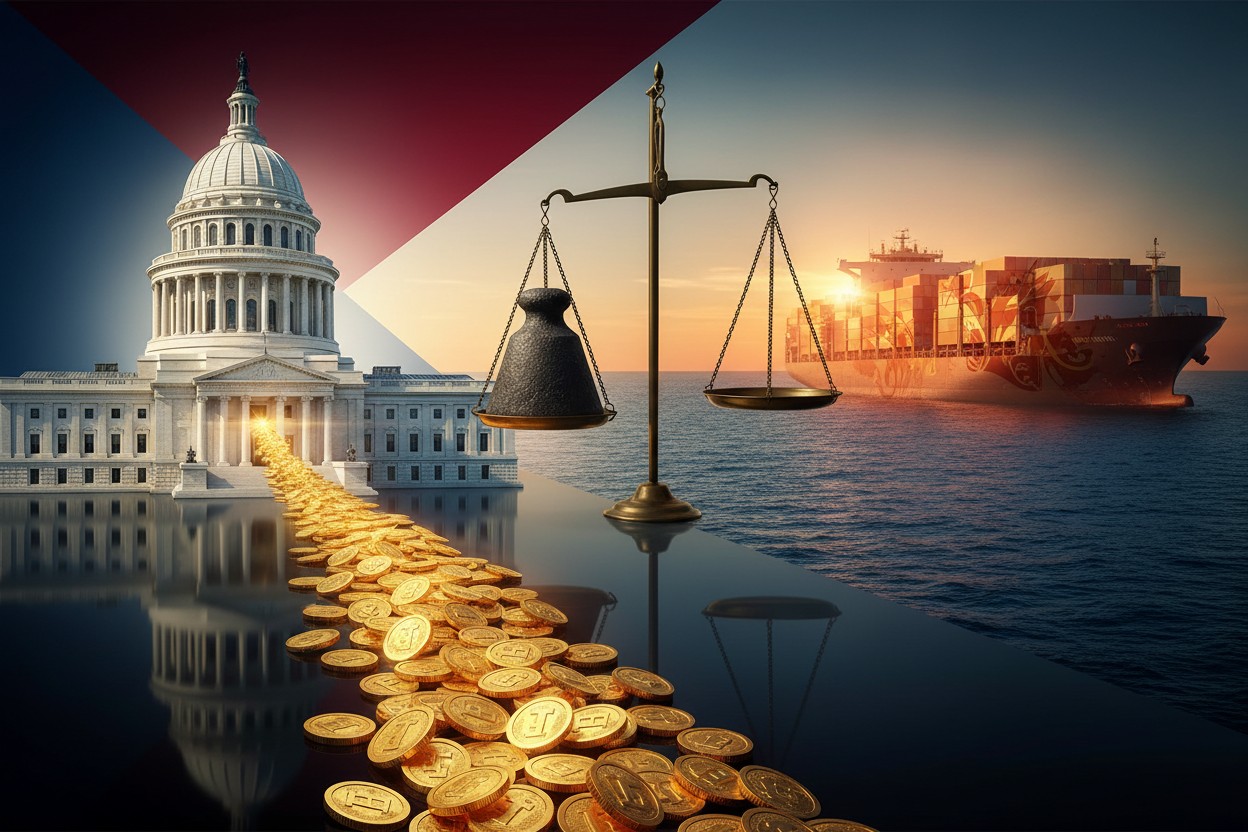
The action covers 99.4% of U.S. imports and applies to major trading partners including the United Kingdom, the European Union, Canada, Japan, and India, according to a fact sheet from Greer’s office. [1] The tariffs took effect at midnight Friday, replacing earlier levies imposed under Section 122 of trade law that were set to expire on July 24, according to Just the News. [2]
The new duties range from 10% to 12.5%, depending on each country’s commitment to adopt and enforce forced labor import prohibitions. [1] The administration stated that the goal is to push all trading partners to eliminate forced labor from global supply chains, building on earlier efforts such as the Uyghur Forced Labor Prevention Act, which established a “rebuttal presumption” that all goods sourced from China’s Xinjiang region are made with slave labor, as noted by former House Speaker Newt Gingrich in his book “Beyond Biden: Rebuilding the America We Love.” [3]
Tariff Rates Linked to Country Commitments
Countries that have committed to adopt and enforce forced labor import prohibitions face a 10% tariff, while countries without such prohibitions face a 12.5% tariff, according to the administration, as reported by BBC. [1] The tiered structure is designed to incentivize trading partners to implement domestic bans equivalent to the long-standing U.S. forced labor import ban. [4]
Greer stated, “The United States has had a forced labor import ban for nearly a century… it’s well past time for our trading partners to do the same.” [1] The administration’s approach mirrors earlier legislative efforts such as the Uyghur Forced Labor Prevention Act, which sought to ban all goods from Xinjiang unless proven otherwise. [3] Additionally, the Trump administration has focused on forced labor enforcement through other means; incoming border czar Tom Homan proposed a hotline allowing citizens to report undocumented migrants involved in human trafficking and forced labor, according to an article on NaturalNews.com. [5]
Legal Basis and Replacement of Previous Tariffs
The new tariffs are being implemented under Section 301 of the Trade Act of 1974, following a Supreme Court ruling earlier this year that struck down Trump’s earlier “liberation day” tariffs imposed under emergency powers, according to the BBC. [1] The Supreme Court’s 2025–2026 term included decisions that rejected Trump’s global tariffs but also expanded executive power in other areas, as reported by the Epoch Times. [6]
The new levies replace tariffs imposed under Section 122 of the Trade Act of 1974, which took effect on February 24 and were set to expire on July 24 after a trade court ruling, according to Just the News. [2] The administration stated that the Section 301 authority provides a more durable legal foundation for addressing forced labor in supply chains. Critics, including a coalition of 22 Democratic attorneys general, have opposed the tariffs, arguing they are unlawful, would raise prices for American consumers, and are being used as a pretext to revive broad tariffs previously struck down, according to the Epoch Times. [7]
Additional Tariffs Announced This Week
On July 20, the administration announced a 50% tariff on certain Canadian goods, citing “discriminatory” trade measures by Ottawa, according to White House fact sheets reported by 100PercentFedUp.com. [8] The Section 338 duties apply to a wide variety of products ranging from raw agricultural materials to consumer goods like wine, hockey sticks, and cement, and take effect on August 19, as reported by FreightWaves. [9] Trump also said he is considering tariffs on Canada over what he called mismanagement of wildfires affecting the United States.
Thursday’s forced labor tariffs are the latest in a series of trade actions this week. [1] On July 21, the Senate advanced a bill granting Trump authority to impose tariffs of up to 100% on the five largest purchasers of Russian oil and gas, targeting China, India and others, according to NaturalNews.com. [10]
Earlier this month, the U.S. also imposed 25% tariffs on most Brazilian imports after Secretary of State Marco Rubio said Brazil’s leader “failed to negotiate in good faith.” [11] The cumulative effect of these measures is reshaping global supply chains, with a record 90% of U.S. firms now planning to relocate manufacturing domestically or switch to American suppliers due to Trump’s aggressive tariffs. [12]
Conclusion
The forced labor tariffs represent a significant expansion of Trump’s trade war, targeting approximately 60 countries over a moral and economic issue that has gained bipartisan traction in recent years. The administration argues that the measures will protect American workers and consumers from goods produced under coercion, while critics warn of price increases and trade retaliation. As the tariffs take effect, businesses and governments worldwide are bracing for further disruptions in global commerce, with the potential for reshaping supply chains and international trade agreements for years to come.
References
- “US announces fresh raft of tariffs on overseas goods.” BBC. July 23, 2026.
- “As a Trump tariff expires, a new one takes its place.” Just the News. July 16, 2026.
- Newt Gingrich. “Beyond Biden: Rebuilding the America We Love.”
- Cassie B. “Trump’s reciprocal tariffs aim to level trade playing field for U.S. workers.” NaturalNews.com. February 12, 2025.
- Ava Grace. “Incoming border czar Tom Homan proposes hotline for reporting criminal migrants, vows to shut down Darien Gap.” NaturalNews.com. January 13, 2025.
- “A Look at the Major Supreme Court Decisions This Term.” The Epoch Times. June 30, 2026.
- “Democratic AGs Oppose Trump’s Tariffs Targeting Trade in Forced-Labor Goods.” The Epoch Times. July 7, 2026.
- “President Trump Imposes 50% Tariffs On Numerous Canadian Goods, White House Says In Response To ‘Discriminatory Treatment’.” 100PercentFedUp.com. July 20, 2026.
- “Trump hits Canadian imports with new 50% tariffs, escalating trade fight.” FreightWaves. July 20, 2026.
- “Senate advances sweeping Russia sanctions bill targeting top oil buyers, provoking China.” NaturalNews.com. July 17, 2026.
- “US Slaps Brazil With 25% Tariffs After Rubio Says Socialist Leader ‘Failed To Negotiate In Good Faith’.” ZeroHedge. July 16, 2026.
- Laura Harris. “U.S. Companies Rush to Reshore Manufacturing as Trump Tariffs Reshape Global Trade.” NaturalNews.com. May 24, 2025.
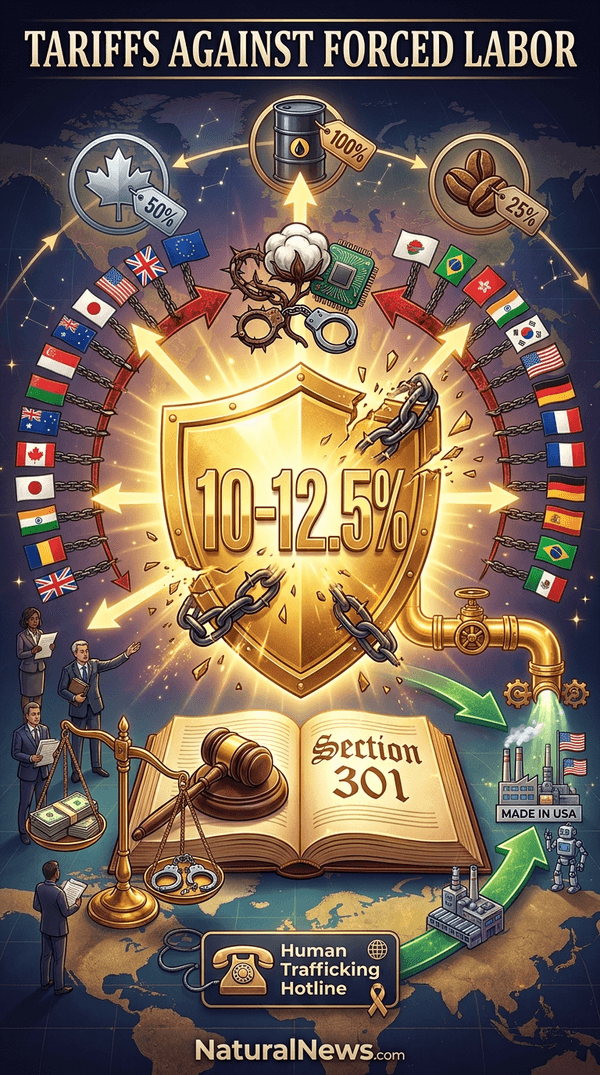
Explainer Infographic
Submit a correction >>
Tagged Under:
banned, big government, Donald Trump, economy, enslaved, finance, forced labor, import, Liberation Day, products, rebuttal presumption, Section 301, slavery, supply chain, tariff, trade law, trade war, Trump, Uyghur Forced Labor Prevention Act
This article may contain statements that reflect the opinion of the author
RECENT NEWS & ARTICLES