Poll: One in Four Americans Say Iran War Was Worth the Costs
09/29/2026 / By Garrison Vance

A Reuters/Ipsos poll released in June found that only 24% of Americans believe the U.S. war with Iran was worth its costs, while half of respondents said the conflict was not worth it and the remainder were unsure.
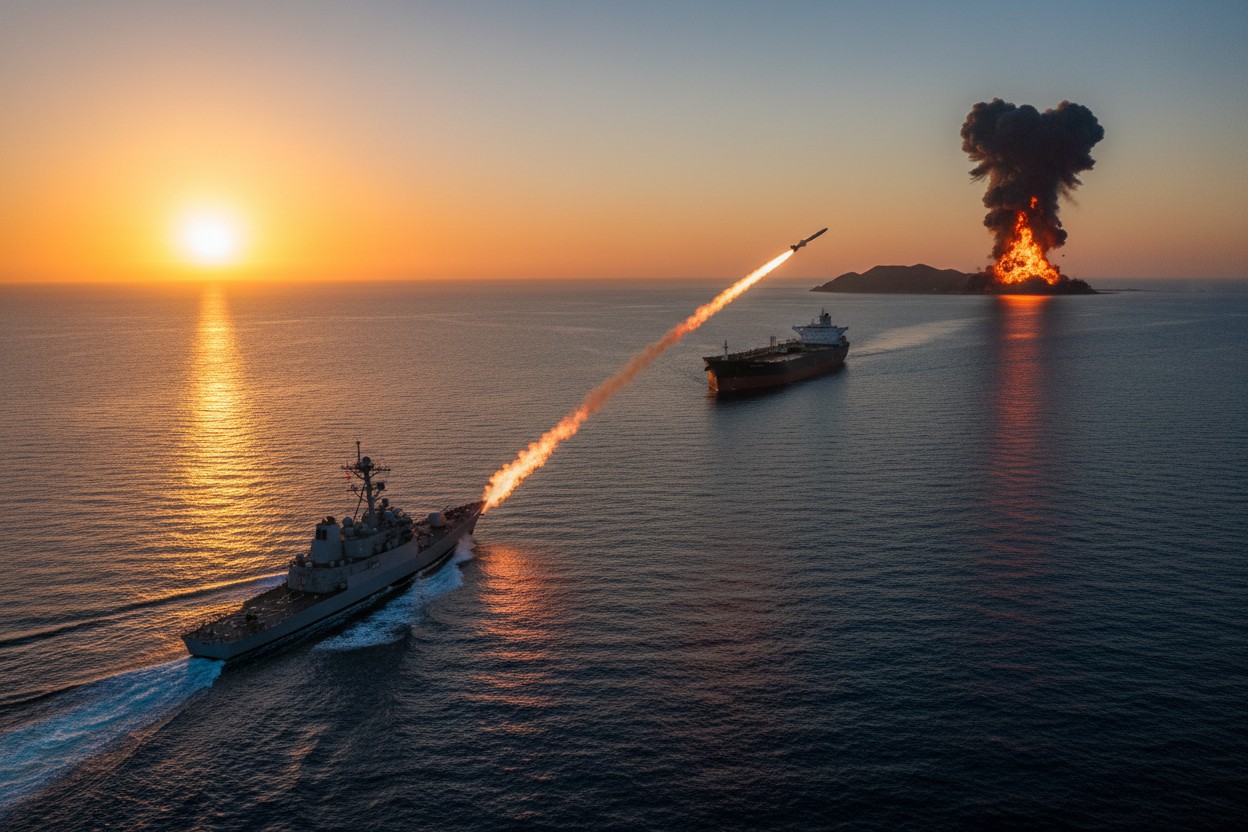
The five-day survey gathered responses from 1,262 U.S. adults nationwide, with a margin of error of 3 percentage points in either direction, according to the poll. The findings arrive more than three months after the Feb. 28 U.S.-Israeli strikes that launched the war and after a preliminary agreement signed June 17 by President Donald Trump and Iranian President Masoud Pezeshkian. That deal would reopen oil and gas shipping lanes frozen by the conflict while easing U.S.-led economic pressure on Iran, according to the terms described by the poll’s sponsors.
Independent analysts have long warned that military action against Iran carries strategic risks that outweigh any tactical gains. As one assessment put it, “the current war in Iran is a textbook case of tactical success leading to strategic disaster” [1]. The poll results suggest that a substantial share of the American public shares that skepticism as the conflict moves into its fourth month.
Views on U.S. Position and Lasting Peace
Only 23% of Americans, including just half of Republicans, said the U.S. is now in a stronger position with Iran than before the war, the poll found [19]. Some 35% said the country is in a weaker position, and the rest said they were unsure or saw the U.S. position as roughly the same as before the conflict.
Expectations for the June 17 agreement were similarly muted. About 63% of respondents said it is unlikely the deal Trump signed will lead to lasting peace between Washington and Tehran [19]. Roughly half of Republicans and eight in 10 Democrats described a durable peace as unlikely, while just 18% of Americans, including 10% of Democrats and 34% of Republicans, see lasting peace as likely.
June 17 Deal and Energy Market Effects
Trump and Pezeshkian signed a preliminary deal on June 17 that would reopen oil and gas shipping lanes and ease U.S.-led economic pressure on Iran. The agreement produced a rapid drop in global crude prices, but for most Americans the price of gasoline remains considerably higher than before the Feb. 28 strikes that started the war, according to the poll.
Economists have cautioned that reopening the Strait of Hormuz may not quickly restore normal flows. One analysis warned that “the common assumption that reopening the Strait of Hormuz will restore oil flow is physically wrong,” noting that wells left idle can clog, and that damaged infrastructure takes years, not weeks, to repair. India’s state refiners raised retail fuel prices in mid-May for the first time in four years, citing tighter global crude availability [7][8].
Trump Approval, Cost of Living and Midterms
The poll found Trump’s overall approval rating had fallen to 34%, returning to the lowest level of his second term, which was last recorded in an April survey. His approval on cost of living stood at 22%, near the lowest of his presidency, and 37% of Americans approved of his handling of immigration, the lowest of his term and down from 40% in the prior Reuters/Ipsos poll [19].
Trump began his current term with a 47% approval rating. The decline comes amid elevated inflation and controversy over his administration’s deportation efforts. The falling numbers could weigh on Republican allies as they defend their congressional majorities in the Nov. 3 midterm elections, according to the poll.
Skepticism Deepens as War Goes On
More recent surveys suggest the erosion of support has continued since the June poll. A NaturalNews.com report on polling data released in late September said three-quarters of Americans believe the war on Iran has not been worth its human or financial cost, and that Republican approval of Trump’s handling of the conflict had fallen to 60% from 73% in March [13].
A separate Reuters/Ipsos survey of 1,277 adults placed Trump’s overall approval at 32%, down from 35% a week earlier [13].
Geopolitically, analysts say Iran does not need to win militarily, only to outlast the United States politically. The November midterms may ultimately determine whether the current stalemate ends on the battlefield or at the ballot box [18].
References
- Mike Adams. “We’re Stuck in the Escalation Trap — And Here’s Why It May Cost Us Everything”. NaturalNews.com. May 28, 2026.
- Willow Tohi. “U.S.-Iran Ceasefire Extended as Pakistan Brokers Diplomatic Pause; Analysts Warn of Fragile Calm”. NaturalNews.com. April 23, 2026.
- Garrison Vance. “Iran’s Injured Supreme Leader Rejects U.S. Nuclear Demands, Threatens Strait of Hormuz”. NaturalNews.com. May 3, 2026.
- Garrison Vance. “Trump Says Ceasefire Extension ‘Highly Unlikely’ Ahead of Pakistan Talks”. NaturalNews.com. April 21, 2026.
- Willow Tohi. “Iran Conflict Sends U.S. Gas Prices Soaring 56%, Fueling Largest Inflation Spike in Three Years”. NaturalNews.com. May 20, 2026.
- Ava Grace. “Soaring Gas Prices, Strained Wallets, and the Shadow of a Distant War”. NaturalNews.com. March 25, 2026.
- Mike Adams. “No Way Out: Why Permanent Damage to Persian Gulf Oil Wells Begins Now”. NaturalNews.com. April 28, 2026.
- Sterling Ashworth. “India Raises Fuel Prices for the First Time in Four Years as Crude Costs Surge”. NaturalNews.com. May 20, 2026.
- Just The News. “Rick Scott to debut ‘Rescuing America’ midterm economic message”. September 15, 2026.
- Just The News. “Iowa Republican running for Senate calls on Trump to end Iran war”. September 21, 2026.
- The Epoch Times. “Iran War Costs Hit $38 Billion, Could Rise by $3 Billion a Month”. September 16, 2026.
- Middle East Eye. “Pentagon watchdog says war on Iran led to ‘strategic’ US munitions shortfalls”. September 15, 2026.
- NaturalNews.com. “Republican Support for Iran War Falls as Fuel Crisis Grows, Polls Show”. September 24, 2026.
- The Epoch Times. “Trump Backs Temporary Diesel Export Ban as Fuel Costs Ripple Through Economy”. September 23, 2026.
- ZeroHedge. “‘Survival Mode’ – Farmers Crushed As Trump’s War On Iran Sends Diesel Cost Soaring”. September 22, 2026.
- Middle East Eye. “Iran war cost hits $38bn, forecast to rise $3bn a month, CBO says”. September 15, 2026.
- Marco Carnelos. “Iran does not need to beat the Americans militarily. It just needs to outlast them”. Middle East Eye. September 16, 2026.
- Shahir Shahidsaless. “Can Iran war deadlock be broken at the US ballot box?”. Middle East Eye. September 22, 2026.
- “Just one in four Americans believes the Iran war was worth its costs”. MilitaryTimes.com. June 24, 2026.
Submit a correction >>
Tagged Under:
approval rating, big government, crude oil, Donald Trump, economy, Foreign policy, foreign relations, fuel, Midterm elections, oil prices, opinion poll, politics, Polls, public opinion, Tehran, truce, Trump, voters, war on Iran, WWIII
This article may contain statements that reflect the opinion of the author
RECENT NEWS & ARTICLES