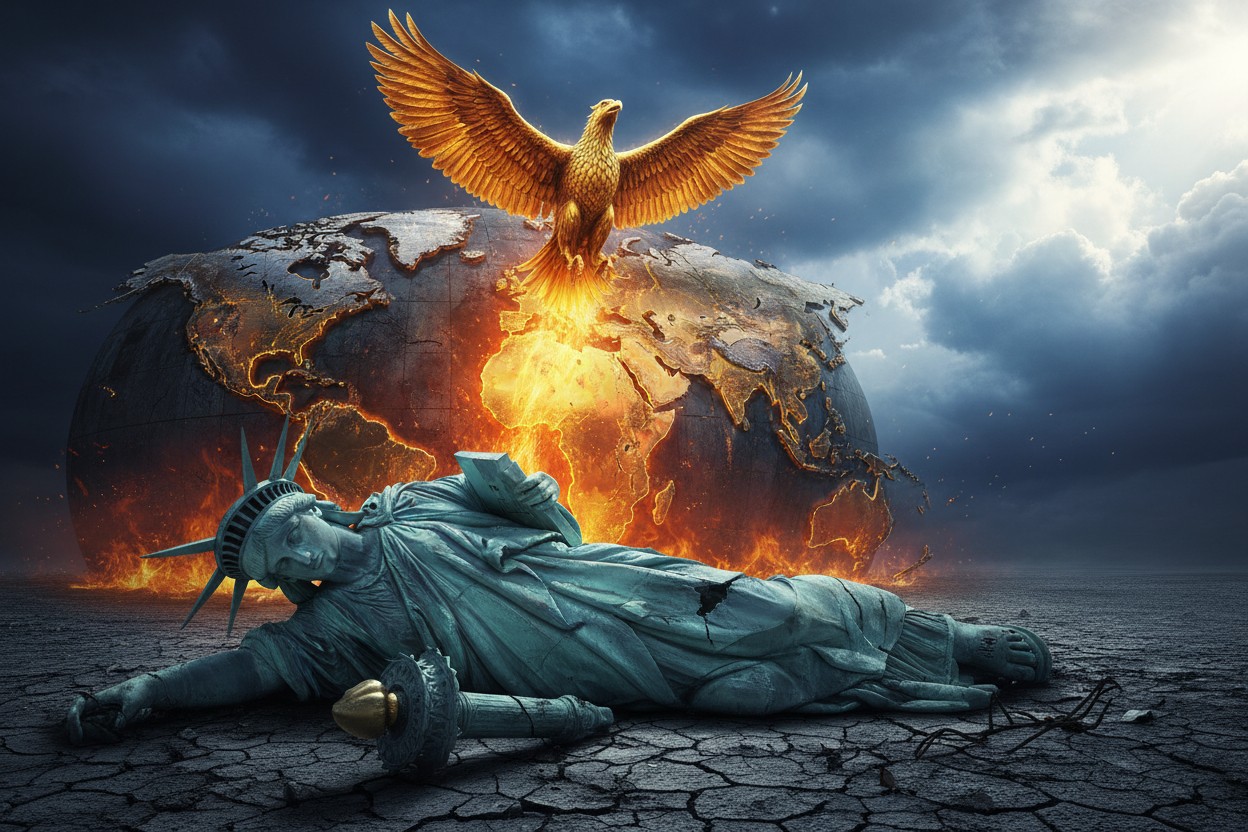
European efforts to “bury” Trump’s Ukraine peace proposal reveal deep transatlantic rift, Lavrov says
09/08/2026 / By Willow Tohi
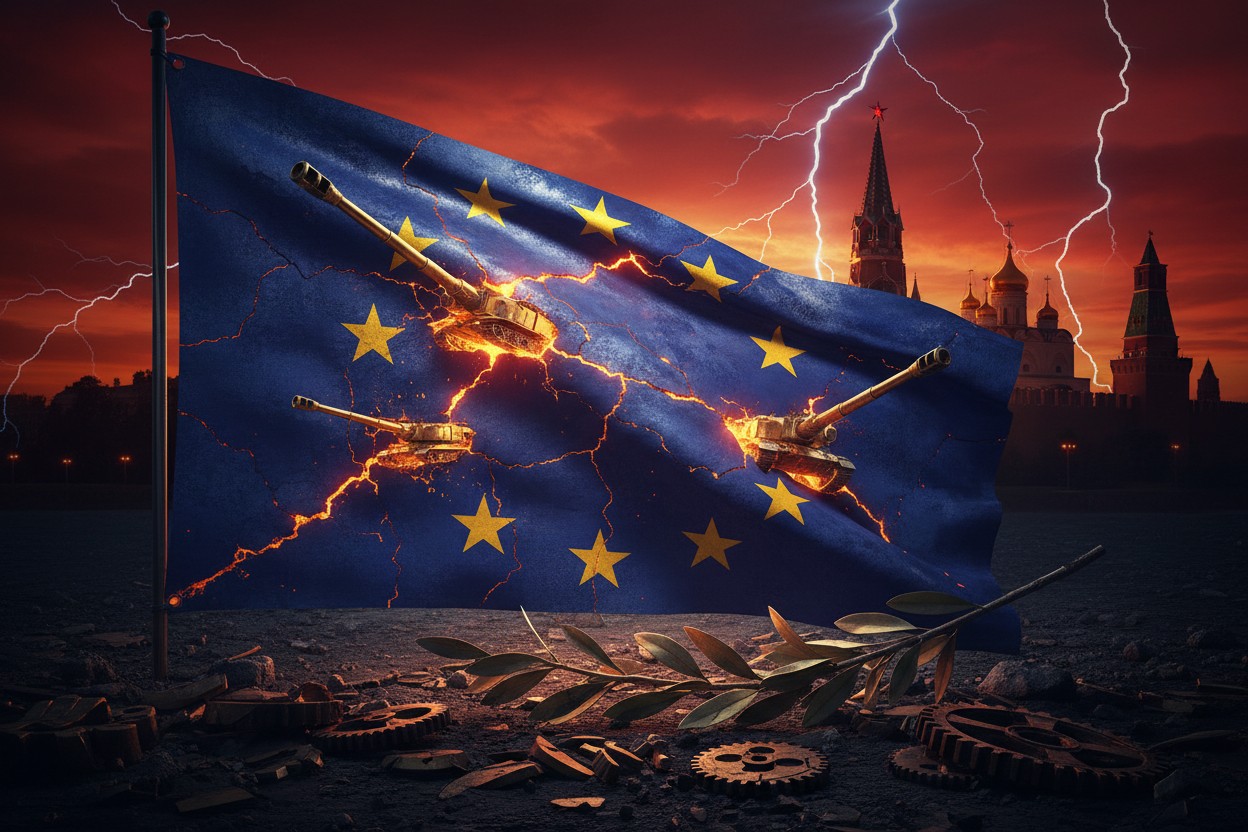
- Russian Foreign Minister Sergey Lavrov accused European leaders of being “scared to death” by Trump’s 2025 Alaska peace proposal with Putin and working to sabotage it.
- Lavrov claimed French President Macron boasted at a NATO summit that the Anchorage initiative had been “buried” and Washington realigned with Europe against Russia.
- Despite renewed U.S. diplomatic efforts, including Kushner and Witkoff meetings in Moscow and Kyiv, Lavrov said no constructive peace negotiations are underway.
- Putin assured Trump in a Sept. 8 phone call that Russia has no aggressive intentions toward Europe, while Kremlin says victory is “very close” on the battlefield.
- Ukraine’s Zelenskyy described U.S. peace ideas as “very good, worthwhile” but the war continues with deadly air strikes in both countries.
The diplomatic breakdown: Why Europe fears a Trump-brokered peace
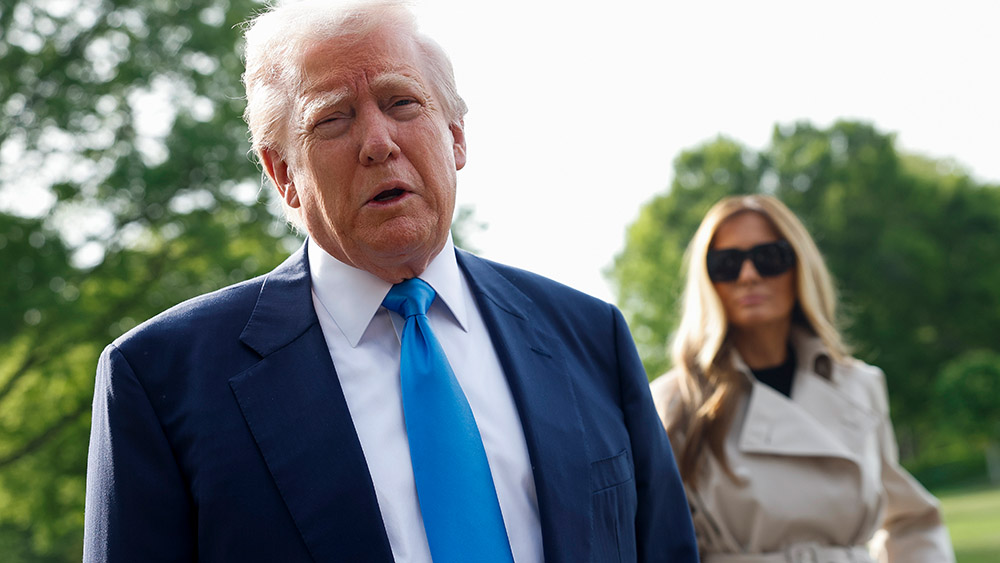
Russian Foreign Minister Sergey Lavrov revealed Tuesday that European NATO leaders were “scared to death” by President Donald Trump’s 2025 proposals for ending the Ukraine conflict, leading them to actively sabotage Washington’s compromise efforts and restore a united Western front against Moscow. The revelation, published in an interview, exposes a fundamental transatlantic rift over how—or whether—to end Europe’s deadliest conflict since World War II, now entering its fifth year with no clear resolution in sight.
The anchorage initiative that never was
Lavrov’s remarks center on a diplomatic meeting between Trump and Russian President Vladimir Putin in Anchorage, Alaska, in 2025—a meeting that produced what Lavrov described as “reasonable, balanced, compromise initiatives” for ending the war. According to the Russian foreign minister, European leaders “immediately rushed” to persuade Trump to abandon his own proposals.
The depth of European opposition became explicit at a June 2026 NATO summit, where French President Emmanuel Macron reportedly boasted that the Anchorage initiative had been “buried” and that Washington had realigned with Europe against Russia. This admission, Lavrov argued, reveals European priorities: maintaining a united Western front against Moscow rather than pursuing a negotiated settlement.
The current diplomatic landscape
U.S. special envoy Steve Witkoff and Trump’s son-in-law Jared Kushner met Putin in Moscow on Saturday, Sept. 6, for more than three hours before traveling to Kyiv the following day. Kremlin aide Yury Ushakov described the meeting as “extremely frank,” with the American envoys presenting ideas on possible settlement avenues. The White House said both sides discussed “substantive plans for next steps.”
Ukrainian President Volodymyr Zelenskyy acknowledged that U.S. envoys presented “a couple of very good, worthwhile ideas” and expressed hope for a meeting with Trump around Sept. 20, coinciding with the U.N. General Assembly. Zelenskyy indicated Ukraine is “ready to find a compromise” on grain exports and energy issues.
Russia’s position: Victory is “very close”
Despite the diplomatic overtures, Kremlin spokesman Dmitry Peskov told reporters Tuesday that Russia believes “victory is very close” on the battlefield. Putin’s hour-long phone call with Trump was described as “constructive and quite frank,” during which Putin assured the U.S. president that Moscow harbors no aggressive intentions toward Europe.
Lavrov warned, however, that if European countries were to attack Russia, it would be “a fundamentally different war” and “very short.” He also dismissed the renewed diplomatic efforts, insisting that “nothing is happening on the diplomatic front” and that developments are instead unfolding on the battlefield where Russian forces are advancing.
The war continues: No ceasefire in sight
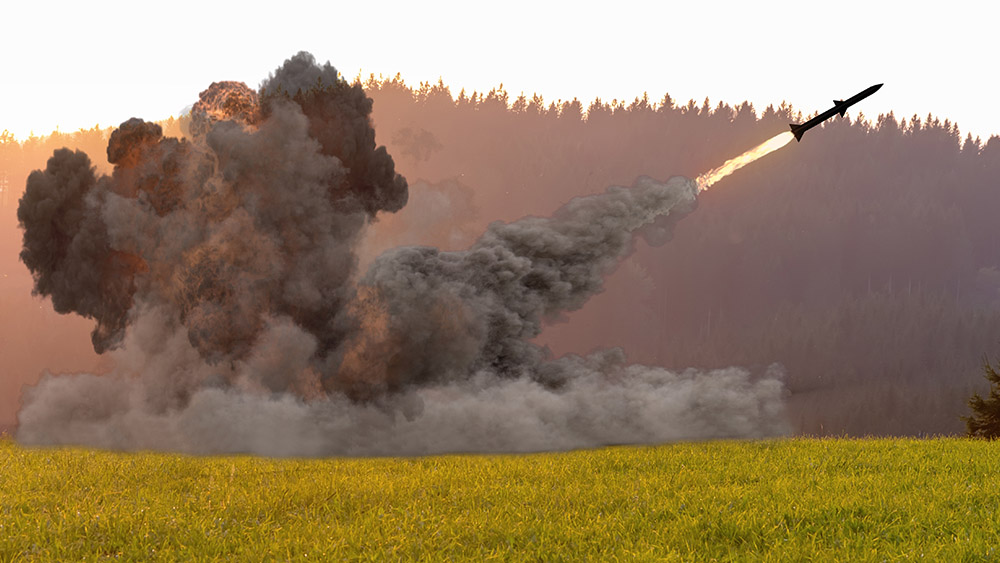
While diplomats talk, the fighting continues. A massive Russian overnight strike on Kyiv and the Odesa region killed seven people and injured 28 in the capital and surrounding areas, according to Ukrainian Interior Minister Ivan Vyhivskyi. The Russian Defense Ministry said its forces targeted military industry facilities, including locations storing Ukrainian drones and cruise missiles.
Ukraine’s Foreign Minister Andrii Sybiha called it “a horrific attack” and accused Putin of undermining U.S. peace efforts. The attacks followed a weekend truce in the capitals during the American visitors’ stay.
The Institute for the Study of War, a Washington-based think tank, offered a sobering assessment: “Russian forces will not seize Donetsk until 2032 at their current rate of advance.” U.S. Undersecretary of Defense Elbridge Colby warned that the conflict could “drag on for years” as Russia reconstitutes its forces and defense industry.
Allies or enemies? A conflict of broken trust
Lavrov’s accusations must be understood against the backdrop of failed diplomatic efforts stretching back a decade. The Minsk agreements, signed in 2015, were designed to bring lasting peace to eastern Ukraine. Western countries including Germany, France and the United States made little effort to implement those accords over nearly seven years, according to Lavrov—creating a trust deficit that now makes negotiation nearly impossible.
The current situation echoes Cold War-era diplomatic standoffs, but with a critical difference: the economic stakes are higher for Europe, which faces energy shortages and inflation, while the military stakes extend to potential NATO involvement.
A diplomatic impasse: The battlefield remains the final arbiter
The revelations from Lavrov, combined with continued fighting and competing narratives about peace proposals, paint a picture of a conflict that—despite high-level diplomatic engagement—shows no signs of resolution. Trump’s efforts to broker peace appear caught between European determination to maintain a united front against Russia and Moscow’s confidence that it is winning on the battlefield.
As Zelenskyy and Trump prepare to meet later this month, the fundamental questions remain unanswered: Can trust be rebuilt after years of broken agreements? Will European leaders accept a settlement that Moscow considers acceptable? And perhaps most critically, can diplomacy succeed when both sides believe they are winning?
The answer, for now, appears to lie not in the conference rooms of Washington, Brussels, or Moscow, but along the 800-mile front line where an estimated 100,000 soldiers face each other daily.
Sources for this article include:
Submit a correction >>
Tagged Under:
big government, chaos, Europe, Globalism, Lavrov, national security, NATO, politics, Putin, Resist, Russia, traitors, Trump, Ukraine, WWIII
This article may contain statements that reflect the opinion of the author
RECENT NEWS & ARTICLES