War theater: Trump claims Iran sent “Much Better” peace proposal minutes after he canceled high-level trip
04/27/2026 / By Lance D Johnson
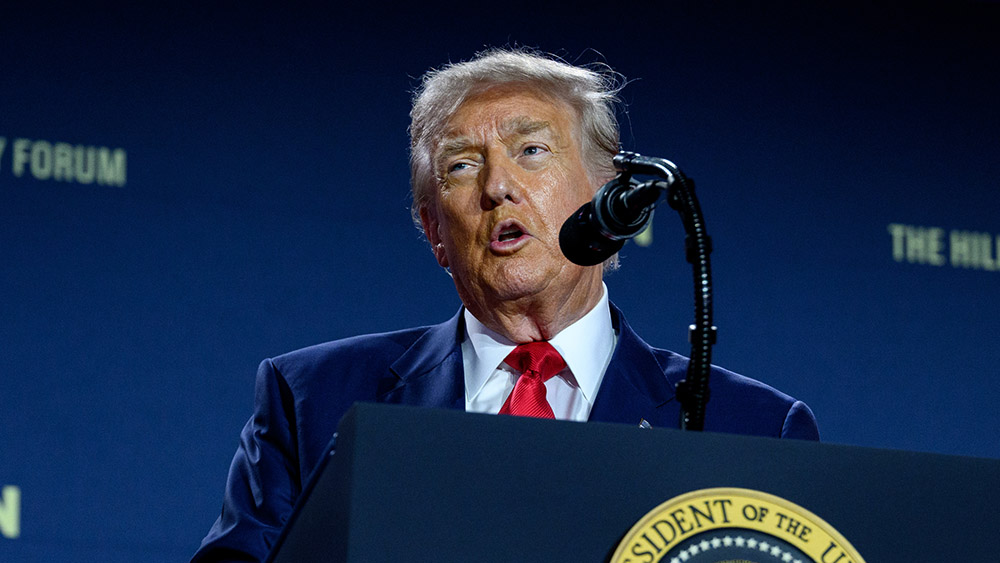
President Donald Trump told reporters on Saturday that Iran submitted a significantly improved peace proposal just ten minutes after he canceled a high-level U.S. diplomatic trip to Pakistan. The revelation comes amid ongoing nuclear negotiations that have swung between ceasefire agreements and threats of renewed military action, with the president insisting his hardline approach is forcing Tehran to negotiate seriously. But was this a publicity stunt to make Trump look like he holds all the cards? Is the U.S. engaging in good faith diplomacy or creating fictitious narratives and installing their own puppet government in Iran?
Key points:
- Trump canceled a planned trip by special envoy Steve Witkoff and adviser Jared Kushner to Islamabad for a second round of nuclear talks
- President claims Iran delivered a “much better” written proposal within ten minutes of the cancellation announcement
- Trump stated the U.S. will now “deal by telephone” rather than send representatives on long international trips
- Iranian officials maintain they will not negotiate directly with the U.S. under the current blockade
- Iran’s embassy in South Africa threatened the “largest missile strike in history” against U.S. and Israeli bases if attacked
- Trump reiterated his “red line” that Iran cannot possess any nuclear weapons
The leverage game: How cancellation changed the negotiation dynamic
President Trump’s decision to scrap the Islamabad trip represents a calculated shift in negotiation tactics that analysts say reflects his broader approach to international diplomacy. The president told reporters that the initial Iranian offer “was not good enough,” but the sudden cancellation produced immediate results.
“They gave us a paper that should have been better. And interestingly, immediately, when I canceled it, within 10 minutes, we got a new paper that was much better,” Trump said before boarding Air Force One. This “10 minute” caving by Iranian leaders sounds more like propaganda, a publicity stunt to make the U.S. President look as if he’s in control of the situation.
The president emphasized that the United States holds maximum leverage in these negotiations, stating that the U.S. has “all the cards” and will no longer send representatives on 18-hour flights for unproductive discussions. Trump suggested future negotiations would occur by telephone, adding that Iranian officials “can call us any time they want.”
Despite acknowledging the second proposal as an improvement, Trump later tempered expectations by remarking that Iran “offered a lot, but not enough” to finalize a comprehensive deal. His primary condition remains unchanged: The Iranian regime will not be allowed to possess any nuclear weapons.
Confusion over direct talks and Iranian threats
The diplomatic maneuvering has been complicated by conflicting statements from U.S. and Iranian officials about whether face-to-face meetings were actually planned. White House press secretary Karoline Leavitt told Fox News on Friday that the delegations would engage in “direct” talks, a claim immediately refuted by Tehran’s foreign ministry spokesman Esmaeil Baqaei.
“No meeting is planned to take place between Iran and the U.S. Iran’s observations would be conveyed to Pakistan,” Baqaei wrote in an X post Friday afternoon.
Did the U.S. even plan to make a face-to-face meeting, or was a publicity stunt and perceived leverage the goal here all along?
Iranian Foreign Minister Abbas Araghchi met with Pakistani mediators in Islamabad on Saturday morning for indirect talks. Araghchi called the discussions “very fruitful” and commended Pakistani mediators, but added pointedly: “Have yet to see if the U.S. is truly serious about diplomacy.”
In fact, the U.S. President has done nothing but brag about ending Iran’s civilization, while bloviating about his successes in taking Iran out. Are U.S. attempts at diplomacy just smokescreen, and is the President manufacturing leverage to the public that he doesn’t actually have?
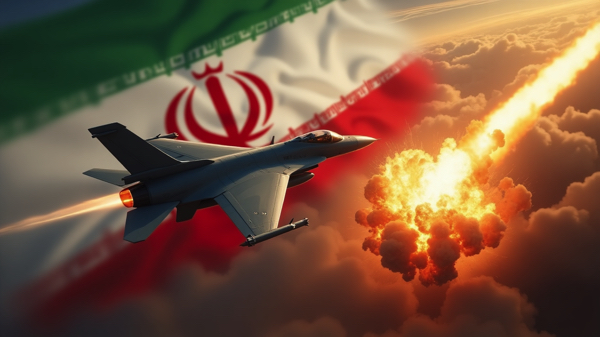
The Iranian embassy in South Africa issued a significantly more confrontational statement, announcing that Tehran is prepared to launch attacks against U.S. and Israeli bases in West Asia if provoked. The embassy wrote that Iran has prepared for the “largest missile strike in history” against Israel and U.S. bases in West Asia, to be launched immediately upon detecting any signs of an attack.
These threats stand in stark contrast to the negotiating table, raising questions about which faction within Iran’s leadership actually controls decision-making, and whether Trump is negotiating with leaders that the U.S. propped up to take over Iran. Trump cited “tremendous infighting and confusion” within Iran’s leadership as a factor in canceling the delegation trip, suggesting the U.S. does not want to waste time negotiating with officials who may not have the authority to deliver. Or, perhaps, Trump is trying to make a deal with people the U.S. is forcing into leadership positions through regime change? Maybe the regime change is not going as planned and the real Iranian leaders are not putting up with a hostile takeover?
The broader context of U.S.-Iran nuclear tensions
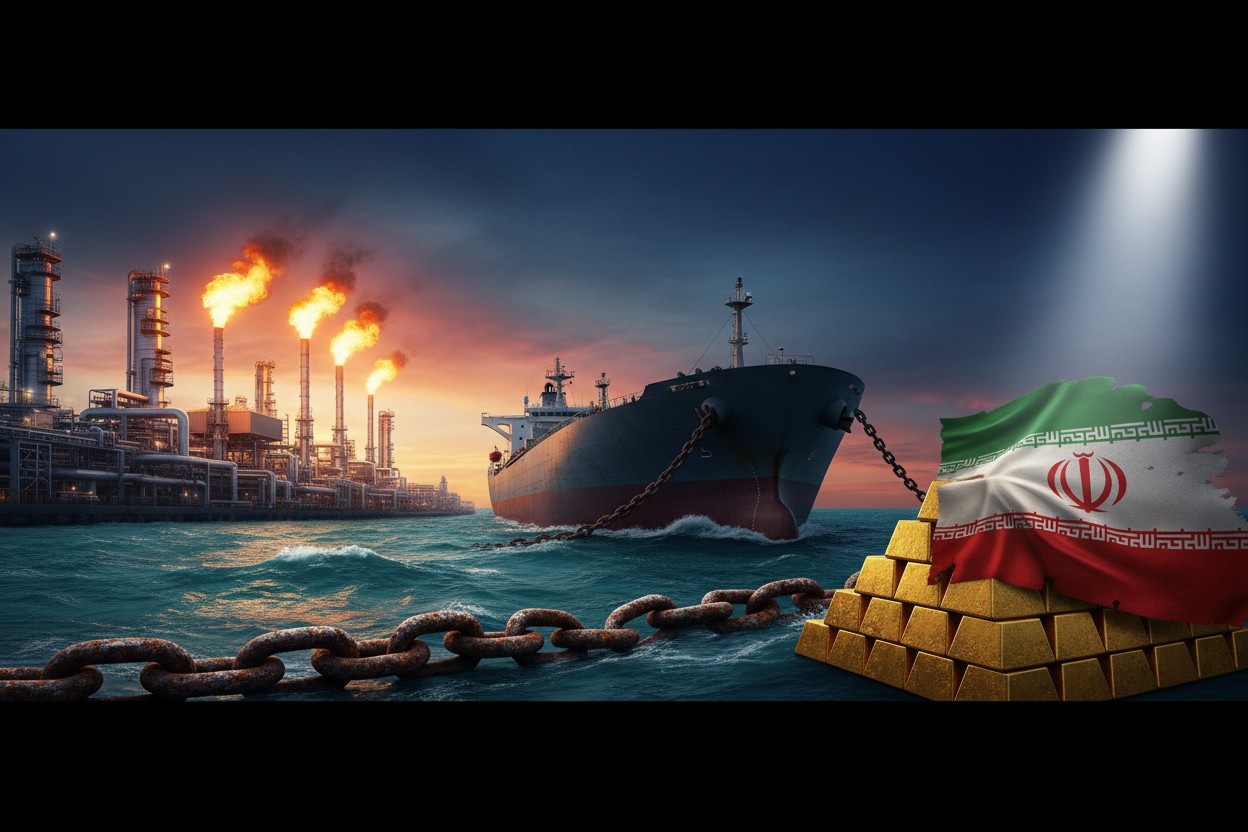
The current negotiations follow Trump’s announcement of “major combat operations” against Iran on Feb. 28, which involved massive joint U.S.-Israeli strikes targeting military, government, and infrastructure sites. A subsequent two-week ceasefire was announced, with initial talks in Pakistan earlier this month failing to reach a peace deal. On Tuesday, Trump extended the ceasefire and continued the blockade until Iran’s proposal is submitted and discussions are concluded “one way or the other.”
The Obama-era nuclear deal, which Trump withdrew from during his first term, had provided Iran with sanctions relief in exchange for nuclear restrictions. Critics argued that deal did not address Iran’s ballistic missile program or regional proxy activities. Under the Biden administration, Iran reportedly regained access to funds that Trump’s maximum pressure campaign had previously blocked.
Trump’s current approach represents a return to that maximum pressure strategy, though now combined with direct military threats and what the president views as strategic unpredictability. By canceling the delegation trip, Trump signaled that the U.S. will not be taken for granted in negotiations, while also publicly claiming credit for forcing an improved Iranian offer.
Vice President JD Vance led the first round of negotiations, with the canceled trip by Witkoff and Kushner intended to build on those initial talks. The involvement of Kushner, Trump’s son-in-law who played a key role in Middle East diplomacy during the first term, signaled the importance the administration placed on these negotiations.
Analysts watching the situation note that the Pakistani mediation track provides both sides with a face-saving mechanism for indirect communication. Pakistan has historically maintained diplomatic relations with both the U.S. and Iran, positioning it as a potential bridge between the two adversaries.
Iranian officials have consistently maintained they will not negotiate under a blockade, yet the reported submission of a new proposal suggests some willingness to engage despite the public posture. Whether the “much better” offer actually contains substantive concessions or merely represents rhetorical repositioning remains unclear, as neither side has released the document’s contents.
The next phase of negotiations remains uncertain, with Trump preferring telephone diplomacy and Iran insisting on indirect talks through Pakistani mediators. With military options still on the table and both sides signaling distrust, the coming days will determine whether this latest diplomatic gambit moves toward resolution or renewed confrontation.
Sources include:
Submit a correction >>
Tagged Under:
Abbas Araghchi, blockade, ceasefire, Donald Trump, Foreign policy, iran nuclear, Israel, Jared Kushner, maximum pressure, Middle East, military operations, negotiations, nuclear deal, nuclear weapons, Pakistan talks, peace proposal, Steve Witkoff, Tehran, U.S. diplomacy, White House
This article may contain statements that reflect the opinion of the author
RECENT NEWS & ARTICLES